Reviewing 3D SVG for Summer Crafts
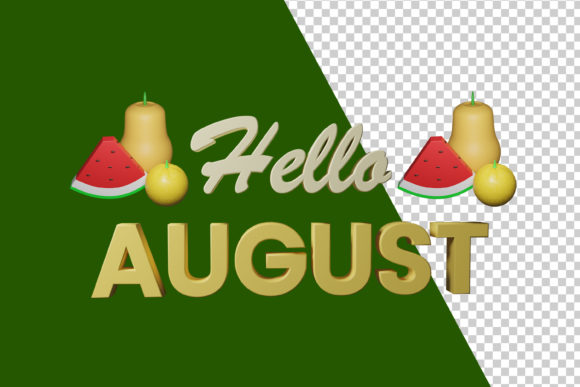
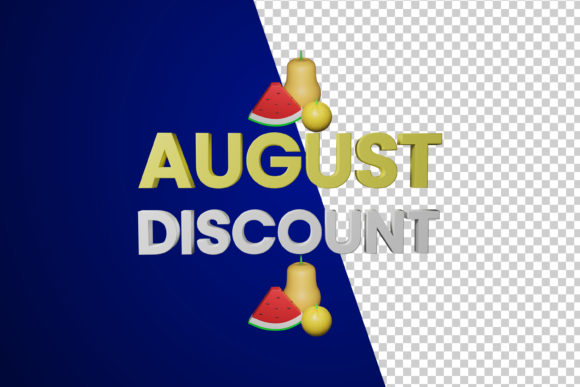
As a handmade business owner who has spent years navigating the chaotic but rewarding world of Etsy sales and local craft fairs, I have learned that the right graphic design asset can make or break a seasonal collection. When I first laid eyes on the 3D Render August Sale, my immediate reaction was one of relief mixed with excitement. In an industry saturated with flat, two-dimensional clipart, this asset brings a tangible depth that modern buyers are craving. It does not just look like a drawing; it looks like a physical object, which is exactly the psychological hook needed to stop a scroller in their tracks.
The mood this piece creates is distinctly playful yet polished. It strikes a balance between the casual warmth of late summer and the structured professionalism required for premium branding. For sellers targeting a demographic that appreciates colorful, isometric aesthetics, this is a goldmine. It suggests a brand personality that is fun, approachable, and detail-oriented. Whether you are selling planner stickers or custom apparel, this visual language speaks to customers who value high-quality, thoughtful design over generic mass-produced items.
Integrating the Asset into Real Crafting Workflows
Let’s talk about practical application. I recently used a similar style of 3D SVG for a batch of custom sublimation mugs intended for a back-to-school promotion. The results were striking. Because the render includes realistic shading and highlights, it translates beautifully onto curved surfaces like tumblers and mugs. When working on a tumbler wrap, the dimensional quality of the design helps it stand out against the metallic or matte finishes that are currently trending. It does not get lost in the curvature of the cup; instead, it pops.
For those of us using cutting machines, the versatility here is impressive. While the primary appeal is its visual depth for printing, the underlying vector structure allows for creative adaptation in Cricut projects and Silhouette projects. I found that isolating specific shapes from the composition worked wonders for creating layered vinyl decals. Imagine using the bold, colorful elements as a base layer for heat transfer vinyl on a tote bag, then adding a contrasting script font on top. The result is a textured, professional-looking product that commands a higher price point than standard single-layer designs.
If you are a printable product creator, this asset is equally valuable. The high resolution—often cited in these types of premium bundles as 300 DPI or higher—ensures that when you scale it for wall art or large posters, the edges remain crisp. I have used similar renders for greeting cards and gift tags, where the "pop" of the 3D effect adds a perceived value to the paper goods. It transforms a simple thank-you card into a keepsake item.
Where This Design Shines and Where to Be Careful
Understanding the strengths and limitations of any digital product is crucial for maintaining quality control in your handmade business. The 3D Render August Sale works best in applications where the design can breathe. It is ideal for central focal points on t-shirts, large stickers, and standalone decorative accents. The isometric perspective and colorful shapes demand space. When used in a clean, minimal layout, it acts as a powerful anchor for the composition.
However, caution is advised when dealing with very small details. If you are planning to shrink this down for tiny planner stickers or intricate jewelry tags, you must test the legibility. The subtle gradients and shadows that give the 3D effect its charm can become muddy if reduced too far. I always recommend printing a test sheet at actual size before committing to a full production run. Additionally, be mindful of background contrast. Because the render relies on light and shadow, placing it on a dark-colored fabric without a white underbase in your print settings can result in a loss of definition. Always preview your PNG transparency on both light and dark mockups to ensure visibility.
Technical Considerations for Professional Results
From a technical standpoint, receiving files in both PSD and PNG formats is a significant advantage. The PSD file with smart layers allows for deep customization. As an experienced designer, I appreciate the ability to tweak colors to match specific brand palettes or seasonal trends. If your shop leans towards pastels, you can adjust the saturation. If you are going for a bold, neon summer vibe, you can push the vibrancy. This level of editability is what separates a basic clipart purchase from a true commercial design tool.
For those who do not use Photoshop, the included high-resolution PNGs are ready to use. However, always check the edges. Sometimes, complex 3D renders can have slight haloing around the edges if the background removal was not done perfectly. A quick check in your design software can save you from printing imperfect products. Furthermore, if you are pairing this illustration with text, choose your fonts wisely. A clean sans-serif font often complements the modern 3D look, while a handwritten font can add a personal, artisanal touch. Avoid overly ornate serif fonts that might compete with the detailed shapes of the render.
Maximizing Value for Small Business Branding
In the context of small business branding, consistency is key. Using a cohesive set of assets like this across your social media, packaging, and product lines builds recognition. I suggest using the 3D Render August Sale not just on products, but in your marketing materials. Create product mockups that feature the design prominently. Use it in your Instagram stories to announce sales or new arrivals. The eye-catching nature of 3D graphics performs exceptionally well on social platforms, driving engagement and clicks to your Etsy product listings.
Moreover, consider bundling. If you are creating a design bundle for other crafters or offering a limited-edition collection, this asset can serve as the headline act. Pair it with complementary patterns or simpler icons to create a comprehensive theme. This approach adds value for your customers and allows you to charge a premium for curated collections rather than single items.
Finally, always confirm the licensing terms. Most assets from creative marketplaces come with a commercial license, but restrictions may apply regarding print-on-demand services or mass production limits. Ensuring you are compliant protects your shop from legal issues and maintains your reputation as a professional seller. By treating these design assets with the respect they deserve—testing, tweaking, and strategically placing them—you transform a simple download into a cornerstone of your successful crafting enterprise.