Reviewing the 3D Postcard Angel SVG for Embroidery
As a designer who spends half my life staring at digitized files and the other half watching needles punch through fabric, I have learned to be skeptical of trends. The 3D Postcard Angel. Paper Cut SVG caught my eye not because it was flashy, but because it promised a specific aesthetic: layered depth. In the world of embroidery, achieving that paper-cut look without actually cutting paper requires a keen understanding of stitch placement and color theory. I decided to put this design through its paces to see if it holds up in a real-world production environment, specifically for holiday merchandise and personalized gifts.
First Impressions: Mood and Visual Personality
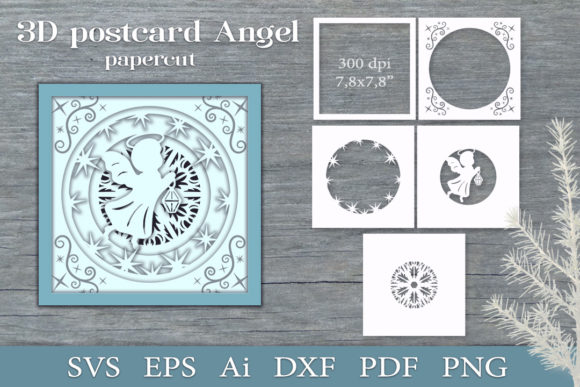
The first thing you notice about the 3D Postcard Angel. Paper Cut SVG is its serene, architectural quality. It does not scream for attention with chaotic details; instead, it relies on silhouette and layering to create interest. For an embroidery project, this is a double-edged sword. On one hand, clean lines are easier to stitch cleanly. On the other, any misalignment in layered elements becomes immediately obvious to the eye. The mood is distinctly festive yet modern, moving away from traditional, cluttered Christmas motifs toward something that feels more like contemporary home decor. This visual personality makes it ideal for customers who want holiday embroidery that fits into a minimalist or Scandinavian-style interior.
Real-World Application: The Tote Bag Test
To evaluate practical usability, I imagined this design applied to a heavy canvas tote bag, a staple for any Etsy seller or small shop product line during the fourth quarter. The concept of a "paper cut" style translates well to fabric if handled correctly. I envisioned using a combination of satin stitch borders and fill stitch interiors to mimic the sharp edges of cut paper.
In this scenario, the angel’s wings and halo would need distinct thread colors to separate them from the background layers. If you are creating a handmade product for sale, the clarity of these layers determines the perceived value. A muddy blend of similar shades will make the design look flat and unintentional. However, when executed with high-contrast thread colors, the 3D SVG structure pops, giving the illusion of depth on a two-dimensional surface. This makes it a strong candidate for holiday embroidery collections where visual impact drives impulse buys.
Fabric Considerations and Stitch Density
One must be realistic about where this design lives. While the description mentions it is great for creativity and decor, translating a layered card concept to textile requires careful material selection. I would hesitate to place this on thin, stretchy fabrics like jersey t-shirts without significant stabilization. The layered nature implies multiple passes of the needle, which increases stitch density. On unstable fabric, this can lead to puckering or distortion, ruining the crisp lines that define the paper-cut aesthetic.
For best results, I recommend using this as an embroidered patch on denim jackets or as a central motif on structured items like pillow covers and aprons. If you are attempting sweatshirt embroidery, ensure you use a cut-away stabilizer to support the weight of the stitches. The design’s integrity relies on precision; if the fabric shifts even a millimeter during stitching, the layered effect collapses. Always test the design on scrap fabric first, ideally the same weight and texture as your final product, to gauge how the machine handles the transitions between layers.
Challenges with Small Hoops and Detailed Corners
Designers often overlook the limitations of hoop size until they are midway through a production run. The 3D Postcard Angel. Paper Cut SVG likely contains intricate corners and fine details that mimic the sharp folds of paper. If you are working with a small hoop size, such as a 4x4 inch frame, you may need to scale the design down. Be cautious here. Reducing the size too much can cause the stitches to merge, turning distinct layers into a solid blob of thread.
Furthermore, tiny lettering or delicate wing tips can become problematic on textured fabrics like terry cloth towels or wool blankets. The fabric texture can swallow fine running stitch outlines. If you plan to use this on such materials, consider simplifying the inner details or increasing the stitch width slightly to ensure visibility. It is crucial to inspect small details in your digitizing software before sending the file to the machine. Zoom in to 400% and check for potential thread breaks or excessive jump stitches that could slow down production.
Commercial Viability and Brand Consistency
For commercial embroidery professionals and craft business owners, consistency is key. This design offers a versatile asset that can be adapted across various products, from baby embroidery on onesies (using softer, lighter threads) to bold statements on canvas totes. The neutral, angelic theme allows it to appeal to a broad demographic, avoiding overly religious or secular extremes, which is a smart move for mass-market appeal.
When creating printable mockups or digital previews for your online store, remember to showcase the design on both light and dark backgrounds. The layered effect might look stunning on white linen but could disappear on black velvet if the thread contrast is not adjusted. Providing customers with clear images of the finished product builds trust and reduces return rates. A well-executed personalized gift featuring this angel can become a heirloom piece, enhancing your brand’s reputation for quality.
Practical Designer Notes for Execution
Before you commit to a large batch of custom apparel or holiday gifts, take these practical steps:
- Check Thread Contrast: Use a color wheel to select threads that distinguish each layer. Monochromatic schemes can work but require precise tension control.
- Verify Licensing: The product description mentions it is a great addition to creativity, but always confirm if the digital embroidery file includes commercial use rights before selling finished items.
- Stabilizer Selection: Match your stabilizer to your fabric. Heavy fabrics may need less support, while knits require robust stabilization to prevent distortion.
- Test Washability: If creating items like kitchen towels or baby clothes, wash a test sample to ensure the stitches hold up and the fabric does not shrink unevenly around the dense areas.
- Mockup in Black and White: Convert your preview to grayscale to check if the layers are distinguishable by value alone. If they blend together in black and white, they will likely lack definition in color.
Final Verdict on the Design Asset
The 3D Postcard Angel. Paper Cut SVG is a compelling choice for designers looking to add a touch of modern elegance to their holiday lineup. It is not a plug-and-play solution for every fabric type, but with proper preparation and attention to detail, it yields professional results. It bridges the gap between digital art and tactile craft, offering a unique visual experience that stands out in a saturated market. For the embroidery project that demands both charm and sophistication, this design delivers, provided you respect the technical requirements of layered stitching. Whether you are a hobbyist making gifts or a seasoned pro stocking an online shop, this asset deserves a spot in your library, assuming you take the time to master its nuances.