Snowman Gift Card Envelope: A Designer’s Review
As an embroidery designer who has spent years digitizing and testing files for both personal joy and commercial profit, I approach every new machine embroidery design with a critical eye. It is not enough for a pattern to look cute on a thumbnail; it must hold up under the needle, survive the wash, and delight the end user. Recently, I evaluated the Snowman Gift Card Envelope, a charming addition to the holiday season repertoire. While marketed primarily as an SVG cutting template for paper crafting, its aesthetic offers valuable insights for those of us working in thread and fabric. Let us explore how this winter-themed concept translates into the world of stitched artistry.
First Impressions and Visual Personality
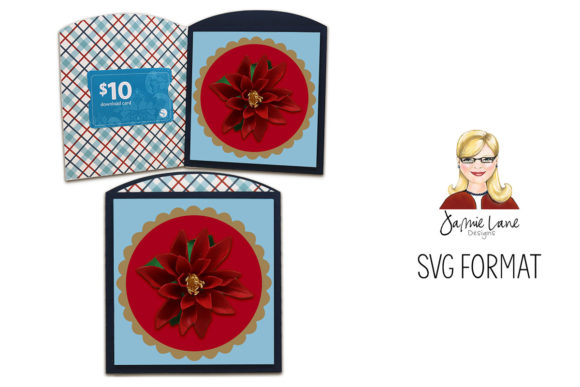
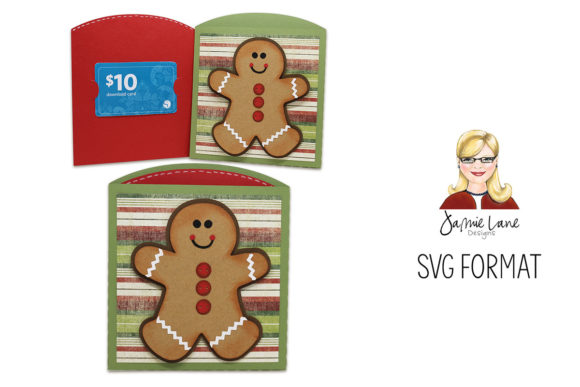
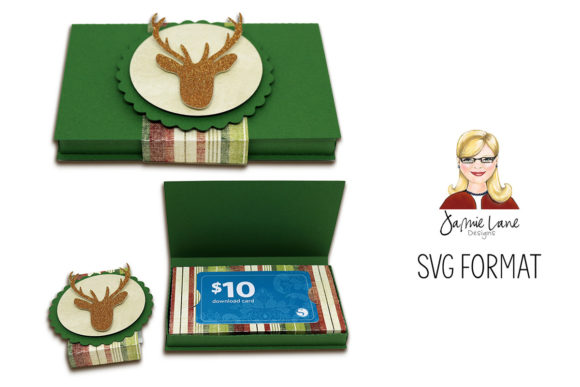
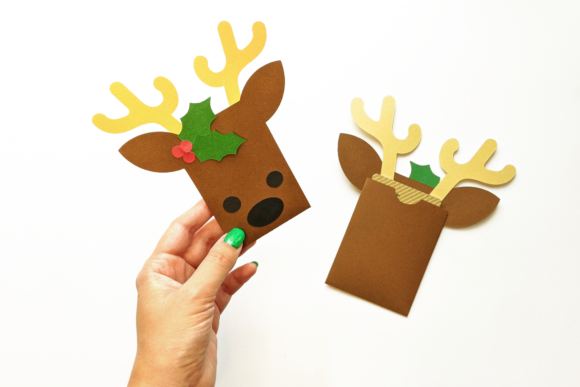
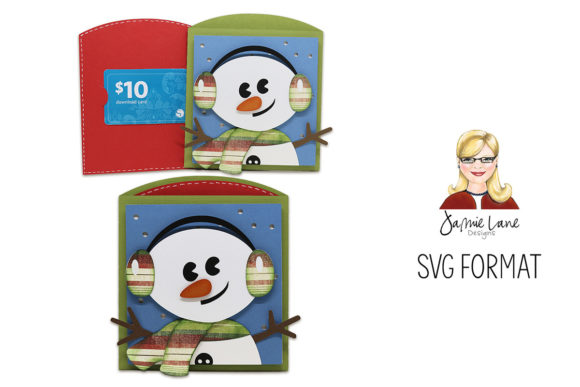
The immediate appeal of the Snowman Gift Card Envelope lies in its whimsical yet clean layout. The design evokes a sense of nostalgic warmth, perfectly suited for the Christmas season. Visually, it balances playful character elements with functional structure. For an embroidery professional, this suggests a design that relies on clear lines and distinct shapes rather than overly complex shading. The mood is lighthearted and inviting, making it an ideal candidate for projects intended to bring a smile. When I visualize this motif stitched out, I see strong potential for high contrast and clarity, provided the digitizer respects the simplicity of the original vector art.
In terms of theme, it sits comfortably within the holiday embroidery category but avoids being overly cluttered. This restraint is crucial. Overly dense designs often pucker fabric or break needles, whereas a design with breathing room allows the texture of the material to shine through. The visual personality here is friendly and accessible, appealing to a broad demographic from young children to grandparents.
Real-World Application in Embroidery Projects
While the product description highlights its use as a physical envelope for gift cards, my mind immediately jumps to how this imagery can elevate various textile goods. Imagine this snowman motif applied as an applique design on a cozy fleece sweatshirt. The bold outlines would frame the fabric insert beautifully, creating a tactile experience that customers love. Alternatively, consider a tote bag design where the snowman serves as the central focal point. On canvas or heavy cotton, the stitches would stand out prominently, turning a simple grocery bag into a festive handmade product.
For Etsy sellers and small shop owners, versatility is key. This design could easily adapt to custom apparel such as matching family pajamas or personalized aprons for holiday baking. The scale mentioned—approximately 5-1/4 x 6-1/4 inches—is substantial enough to make a statement on a pillow cover or a kitchen towel without overwhelming the item. I can also envision this working well as an embroidered patch, ironed onto denim jackets or backpacks, offering a removable yet stylish decorative accent.
When preparing a custom order for a boutique client, presentation matters. Using this motif on a high-quality linen napkin or a plush baby blanket adds perceived value. It transforms a standard item into a personalized gift that feels thoughtful and unique. The key is matching the thread colors to the fabric texture. A soft pastel background with vibrant red and black threads for the snowman’s accessories creates a classic look, while monochromatic white-on-white stitching offers a sophisticated, subtle elegance for modern home decor.
Technical Considerations and Stitching Performance
Translating a cut-file aesthetic into embroidery requires careful attention to stitch types. To maintain the crispness of the snowman’s features, a combination of satin stitch for borders and fill stitch for larger areas is typically effective. However, one must be wary of stitch density. If the original SVG has intricate details, these may need simplification for embroidery to prevent thread breaks and fabric distortion. Running stitch can be utilized for finer details like facial features or scarf patterns, ensuring clarity without bulk.
Fabric choice plays a pivotal role. On textured fabrics like terry cloth or wool blends, the design needs sufficient underlay to prevent sinking. Conversely, on thin or stretchy fabric, such as jersey knits used in t-shirts, proper stabilization is non-negotiable. I always recommend testing the design on scrap fabric first. This allows you to check thread color contrast and ensure the hoop size accommodates the full motif without shifting. For curved surfaces like caps, the design might need resizing or re-digitizing to account for the curvature, ensuring the snowman does not appear distorted.
Detailed corners and tiny lettering, if present in variations of this design, require sharp needles and high-quality thread. Dark fabric backgrounds demand careful planning; light-colored threads may show gaps if the density is too low. Always test in black and white mockups to verify contrast before committing to colorful threads. Additionally, confirm whether the design works for both personal and commercial projects. Licensing terms vary, so always check before selling finished items or digital products derived from this asset.
Enhancing Brand Consistency and Customer Trust
For creative entrepreneurs, consistency builds trust. Incorporating a cohesive theme like the Snowman Gift Card Envelope across your product line strengthens brand identity. Whether used on packaging, hang tags, or the products themselves, a unified visual language signals professionalism. High-quality embroidery reflects care and attention to detail, which directly influences buyer engagement. Customers are more likely to share photos of their purchases if the stitching is clean and the design is charming, providing free marketing through social media.
Moreover, the giftability of such items cannot be overstated. During the holidays, shoppers seek items that convey warmth and cheer. A well-executed snowman motif on a tea towel or ornament becomes more than just decor; it is a vessel for sentiment. This emotional connection drives repeat business and positive reviews. By offering products that are both visually appealing and durable, you establish a reputation for quality that distinguishes your small shop from mass-produced alternatives.
Practical Notes for the Modern Maker
- Test Before Production: Always stitch out a sample on the actual fabric you intend to use. Check for puckering, thread breaks, and color accuracy.
- Stabilizer Selection: Use cut-away stabilizer for knits and tear-away for wovens. Hoop firmly but avoid stretching the fabric excessively.
- Thread Quality: Invest in high-quality polyester or rayon threads to ensure sheen and durability, especially for items that will be washed frequently.
- Scale Appropriately: Ensure the design fits within your hoop size. If resizing, maintain aspect ratio to prevent distortion of the snowman’s proportions.
- Licensing Verification: Confirm the usage rights associated with the digital embroidery file or SVG template. Respect intellectual property when creating commercial embroidery assets.
- Mockup Usage: Utilize printable mockups to visualize the final product before stitching. This saves time and materials by allowing you to experiment with color combinations digitally.
In conclusion, the Snowman Gift Card Envelope represents more than just a seasonal craft supply. For the discerning designer, it offers a blueprint for creating joyful, high-quality embroidered goods. By understanding its visual strengths and technical requirements, you can leverage this design to enhance your portfolio, delight your customers, and elevate your craft business. Whether you are an experienced apparel decorator or a hobbyist looking to refine your skills, approaching this project with a mindset of precision and creativity will yield rewarding results.