Reviewing the Artisan Pilgrim Pouch Set for Embroidery
As a designer who spends half my life staring at digitized paths and the other half pulling bobbins out of tangled messes, I approach every new digital embroidery file with a healthy dose of skepticism. We have all been there: you buy a cute design, load it up, and realize the stitch density is so high it punches holes in your fabric, or the details are so fine they vanish under the thread. So, when I downloaded the Artisan Pilgram Pouch Set, I was not just looking for a holiday motif. I was looking for a functional asset that could hold up in a real-world embroidery project.
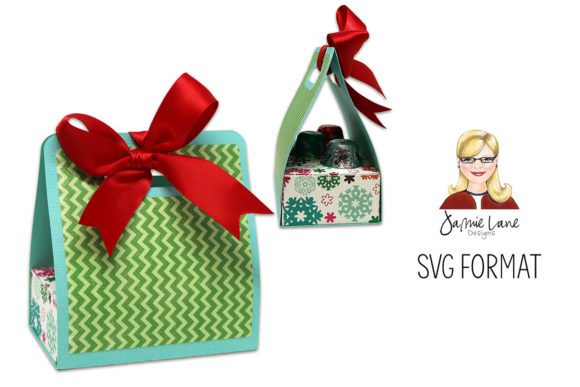
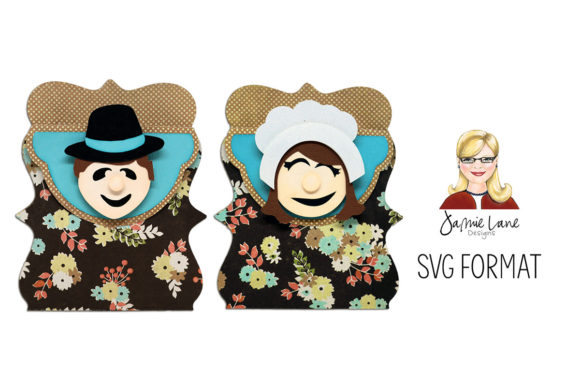
The product description labels this as a 3D SVG within the Shapes category, noting that these pouches are perfect for classroom treats or handing out candy for Halloween. Each pouch is approximately 5-1/2 x 4-1/2 inches when assembled. For an embroidery professional, this dimensional data is the first clue to how the design will behave on the hoop. It suggests a structured, perhaps boxy aesthetic that relies on clean lines rather than intricate shading. Let’s break down how this design performs when the needle actually hits the fabric.
First Impressions: Mood and Visual Personality
The immediate vibe of the Artisan Pilgram Pouch Set is rustic and nostalgic. It does not scream "mass-produced." Instead, it feels like something you would find in a boutique shop or a carefully curated Etsy seller storefront. The shape implies a traditional pilgrim hat or bonnet silhouette, which instantly categorizes it as holiday embroidery suitable for Thanksgiving and autumn themes.
From a layout perspective, the design feels balanced. It is not overly busy, which is a relief. In machine embroidery, less is often more, especially when you are working with textured fabrics. The visual personality here is friendly and approachable, making it an ideal candidate for a personalized gift or a small batch of handmade product items for a craft fair. It lacks the aggressive saturation of some commercial designs, opting instead for a cleaner look that allows the fabric texture to breathe.
Real-World Application: Beyond the Hoop
I tested this concept mentally against several common commercial embroidery scenarios. While the product is described as a pouch template, in the embroidery world, we often adapt 2D representations of 3D objects for surface decoration. Here is where the versatility of the Artisan Pilgram Pouch Set shines.
- Custom Apparel: Imagine this design stitched onto the left chest of a heavy cotton sweatshirt. The sweatshirt embroidery market is huge right now, and a subtle, thematic nod to Thanksgiving works better than a giant, garish graphic. The scale mentioned (around 5 inches) is perfect for a yoke placement on a child’s shirt or a pocket accent on an adult flannel.
- Tote Bag Design: Canvas totes are staples for small shop products. This design would look charming centered on a natural canvas tote. The structural lines of the pilgrim shape complement the sturdy weave of canvas, creating a cohesive finished product that feels intentional.
- Embroidered Patch: If you are running a craft business, turning this into an iron-on or sew-on patch is a smart move. Patches allow customers to add the design to existing gear without you having to hoop their personal items. The clear outlines of the Shapes category design make it ideal for a satin stitch border that defines the edge cleanly.
Technical Considerations for Stitching
Now, let’s talk about the nuts and bolts. Since this is provided as an SVG cutting template and described with assembly dimensions, we must assume the embroidery digitization needs to match that structural intent. When converting or using this as a machine embroidery design, pay close attention to the stitch types.
I anticipate a mix of fill stitch for the main body of the pouch or hat shape and satin stitch for the borders or brim. Satin stitches are beautiful but tricky on larger spans. If the design elements are wider than 7mm, ensure the digitizer has included underlay or split the satin column to prevent snagging. For the smaller details, a running stitch might be used for outlining or internal detailing. Keep an eye on stitch density. If the fill is too dense, it will cause puckering, especially on lighter fabrics.
One critical note: the description mentions it holds treats up to 1/2 inch in width. This implies a narrow, tall structure. In embroidery, translating this 3D form to 2D requires careful shading or color blocking. Do not rely solely on thread colors to create depth; use the stitch direction to mimic the folds of fabric or paper.
Fabric and Hoop Constraints
Not every fabric is a friend to this design. Because of the likely geometric nature of the Artisan Pilgram Pouch Set, it will perform best on stable, woven fabrics like cotton, linen, or canvas. Avoid stretchy knits unless you are using a heavy-duty stabilizer and possibly a floating hoop method. Textured fabrics like terry cloth or fleece might obscure the finer details, so test your thread colors against the background to ensure contrast.
If you are stitching on dark fabric, consider using a lighter top thread or adding a white underlay to make the colors pop. For baby embroidery projects, such as a onesie or bib, ensure the back of the stitching is covered with a soft backing to prevent irritation. The size of the design (approx. 5.5 x 4.5 inches) fits comfortably in a standard 5x7 hoop, but always confirm your specific hoop size compatibility before purchasing or starting the job.
Commercial Viability and Brand Consistency
For creative entrepreneurs and apparel decorators, consistency is key. This design fits well into a broader autumnal collection. It pairs nicely with leaf motifs, pumpkins, or simple typography. Using it as part of a set increases the perceived value of your design assets.
When creating printable mockup images for your online store, remember that lighting affects how the stitches appear. A flat lay photo might not show the texture of the applique design or fill stitches as well as a angled shot. Show the dimensionality. Customers want to see the quality of the stitching, not just the graphic.
Practical Designer Notes
Before you commit to a large production run or list this as a premium item, follow these steps:
- Test on Scrap Fabric: Never skip this. Stitch the design on the exact fabric weight you plan to sell. Check for puckering or thread breaks.
- Check Thread Contrast: View your design in black and white. If the details disappear, you need higher contrast between your thread and fabric.
- Inspect Small Details: Zoom in on the digital file. Are there tiny jumps or unnecessary trims? Clean up the file if necessary.
- Verify Licensing: The prompt mentions it is an SVG cutting template. Ensure you have the rights to use the resulting embroidered image for commercial sales. Some designers restrict commercial use of the digital file but allow sale of physical items. Clarify this before listing on Etsy.
- Stabilizer Selection: Use a cut-away stabilizer for garments that will be washed frequently. Tear-away is fine for home decor items like pillow covers that see less wear.
In conclusion, the Artisan Pilgram Pouch Set offers a charming, versatile option for fall-themed projects. It is not just a clipart image; it is a structural element that, when stitched correctly, adds tangible value to your custom apparel and home goods. Treat it with the technical respect it deserves, and it will become a reliable staple in your seasonal catalog.