Reviewing the Multi Layer Tree Frame Wall Cut File
As a designer who has spent years navigating the intersection of digital files and physical textiles, I approach every new asset with a mix of curiosity and caution. We have all been there: downloading a digital embroidery file that looks pristine on screen but turns into a tangled mess of thread breaks and puckering once it hits the machine. Today, I am taking a close look at the Multi Layer Tree Frame Wall Cut File. While this product is categorized under Shadow Boxes and marketed as a 3D SVG, its potential extends far beyond paper crafting. For the modern Etsy seller or craft business owner, understanding how to translate these layered vector concepts into stitch-ready realities is key to expanding your product line.
First Impressions and Visual Personality
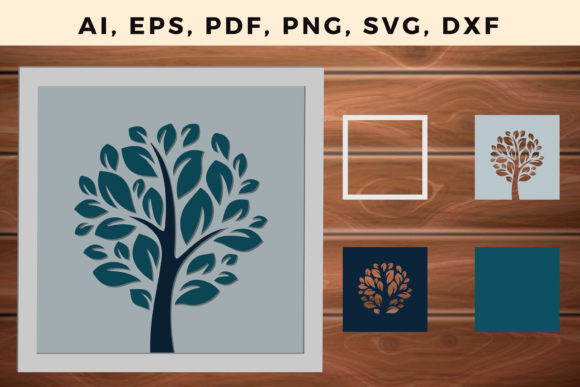
The immediate appeal of the Multi Layer Tree Frame Wall Cut File lies in its structural depth. In the world of design assets, flat images are common, but designs that suggest dimensionality offer a higher perceived value. The tree motif is timeless, evoking feelings of growth, stability, and nature. When I first opened the ZIP folder, I was looking for clean lines and logical layer separation. For a machine embroidery design to succeed, especially one inspired by layered cut files, the distinction between foreground and background elements must be sharp.
This specific design creates a mood of rustic elegance. It is not overly ornate, which makes it versatile. For a small shop product, this neutrality is a strength. It does not scream for attention but rather invites a closer look. The layout suggests a central focal point surrounded by framing elements, a composition that works exceptionally well for personalized gifts where a name or date might be integrated into the negative space or beneath the tree canopy.
Translating 3D SVG Concepts to Embroidery
Here is where the practical application gets interesting. The product description notes that you receive SVG files, which are typically used for cutting machines like Cricut or Silhouette. However, as an experienced reviewer, I see a massive opportunity for commercial embroidery adaptation. If you are creating a finished product such as a tote bag or a sweatshirt, you cannot simply "embroider" an SVG without converting it or using it as a template for appliqué.
Imagine you are preparing a custom order for a boutique client who wants a set of matching tote bag design items for a wedding party. The Multi Layer Tree Frame Wall Cut File can serve as the perfect template for an applique design. You would use the SVG layers to cut fabric shapes—perhaps a dark green felt for the tree and a cream linen for the frame—and then use a running stitch or a narrow satin stitch to secure the edges. This method reduces stitch density significantly compared to filling the entire shape with thread, resulting in a softer hand feel and less puckering on flexible fabrics.
For those who prefer full embroidery, this design inspires a multi-hoop project. You could stitch the background frame in a lighter thread color and overlay the tree details using a denser fill stitch. This technique mimics the 3D effect of the original shadow box concept, adding tangible texture to your embroidery project.
Real-World Application Scenarios
Let us consider a real-life scenario. You run a small online store specializing in baby embroidery and nursery decor. A customer requests a personalized pillow cover for a newborn. The Multi Layer Tree Frame Wall Cut File offers a gentle, organic aesthetic that fits perfectly in a nursery. By scaling the design to fit a 5x7 hoop, you can create a serene landscape. The tree represents family roots, a sentiment that resonates deeply with parents.
Alternatively, think about sweatshirt embroidery. A oversized crewneck with a small, centered chest emblem is trending. Using the frame element of this design as a border for a monogram adds a professional touch. It elevates a simple initial into a branded piece of custom apparel. The key here is scale. Because the design originates from a wall cut file, it may be large by default. You must resize it carefully to ensure the details do not become too small to stitch cleanly on the textured surface of a fleece or cotton blend.
Technical Considerations and Fabric Choices
While the aesthetic is strong, we must address the technical constraints. Since this is originally a 3D SVG intended for cutting, it does not come with pre-digitized stitch paths unless specified otherwise in the full file contents. If you are digitizing this yourself or hiring someone to do so, pay close attention to stitch density. Trees have many branches; if these are too thin, they will break during stitching. I recommend simplifying the smallest twigs or converting them into single-run lines rather than filled shapes.
Fabric choice is critical. On stretchy fabric like jersey knits, a dense design will cause distortion. Always use a cut-away stabilizer for garments that will be washed frequently. For textured fabrics like toweling or canvas, ensure your thread colors have enough contrast. A dark green tree on a navy blue background might get lost. Test your design in black and white mockups first to check for value contrast.
Be cautious with curved surfaces. If you plan to put this on a cap, the flat geometry of the frame might warp. Caps require specialized digitizing to account for the curvature. For flat items like aprons, kitchen towel hems, or embroidered patch backings, this design shines. Patches, in particular, benefit from the bold outlines typical of cut files, allowing you to create a merit-badge style accessory that customers can iron or sew onto jackets.
Enhancing Brand Value and Customer Trust
Using unique design sources like the Multi Layer Tree Frame Wall Cut File helps differentiate your handmade product from mass-produced items. When customers see thoughtful composition and clean execution, their trust in your brand grows. It signals that you are not just slapping generic clipart on a shirt, but curating a visual experience.
For holiday embroidery, this tree motif can be adapted with seasonal colors. Add red berries for Christmas or orange leaves for autumn. This versatility allows you to create multiple SKUs from a single design asset, maximizing your return on investment. It is a smart strategy for digital product sellers who also sell physical goods, as you can offer both the stitched item and the digital pattern if licensing permits.
Practical Designer Notes for Implementation
Before you launch this design in your small business merchandise lineup, follow these steps:
- Test on scrap fabric: Never skip this step. Check for thread breaks and registration issues.
- Verify Licensing: The product description mentions immediate download of SVGs. Confirm if the license allows for commercial use of finished embroidered items. Most designers allow this, but always read the terms.
- Check Hoop Size: Ensure the design fits your machine’s maximum hoop area. If it is a large wall art file, you may need to split it into sections.
- Contrast Check: Use high-contrast thread combinations to highlight the layered effect.
- Stabilizer Selection: Match your stabilizer to your fabric weight. Heavy designs need heavy support.
In conclusion, the Multi Layer Tree Frame Wall Cut File is a versatile asset for the creative entrepreneur. While it originates in the world of paper crafts and shadow boxes, its structural clarity makes it an excellent candidate for adaptation into machine embroidery. Whether you are creating personalized gifts, boutique apparel, or home decor, this design offers a solid foundation for high-quality, professional-looking results. Just remember to respect the technical limits of your machine and fabric, and you will find this niche product to be a valuable addition to your library.