Reviewing Love in Koln Germany Paper Light Box 246
As a designer who spends half my life staring at digitized files and the other half watching needles punch through fabric, I have learned to be skeptical of trends. The current surge in Shadow Boxes and paper-cut aesthetics is undeniable, but translating that layered, three-dimensional look into a flat machine embroidery design requires careful execution. Recently, I evaluated Love in Koln Germany Paper Light Box 246 to see if it holds up under the scrutiny of real-world production. This is not just about whether the file opens correctly; it is about whether the final stitched product feels premium, durable, and worthy of a customer’s hard-earned money.
First Impressions: Mood and Visual Personality
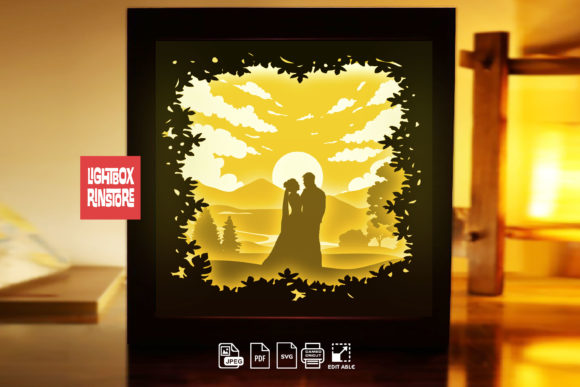
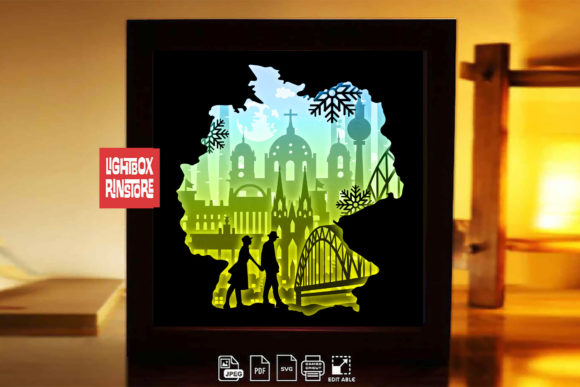
When I first loaded Love in Koln Germany Paper Light Box 246 into my editing software, the immediate impression was one of romantic nostalgia mixed with architectural precision. The design captures the essence of Cologne, likely referencing the iconic cathedral or the city’s historic skyline, framed within the trendy "paper light box" aesthetic. This style relies on depth and layering to create a shadow effect. In a digital 3D SVG context, this is achieved through vector layers. In embroidery, we must achieve it through stitch types and color placement.
The layout suggests a central focal point surrounded by intricate detailing. For an embroidery project, this means the design demands respect for negative space. It does not scream for attention with chaotic density; instead, it invites the viewer to look closer. The mood is warm, inviting, and slightly whimsical, making it an ideal candidate for personalized gifts rather than aggressive streetwear branding. It feels like a story told through thread.
Real-World Application: From Screen to Stitch
To truly test Love in Koln Germany Paper Light Box 246, I imagined a specific client scenario. A local boutique owner wanted a line of high-end tote bags for a summer tourism campaign. She needed something that felt artisanal but could withstand daily use. I visualized this design stitched onto a heavy canvas tote bag design. The structural integrity of the canvas would support the stitch density required to mimic the paper-cut layers.
In this context, the design performs exceptionally well. The broader elements of the skyline or architectural features can be rendered using fill stitch patterns that provide solid coverage, while the finer details might benefit from a combination of satin stitch borders and running stitch accents to define edges without adding excessive bulk. If I were adapting this for sweatshirt embroidery, I would need to be more cautious. The texture of fleece or French terry can swallow small details. Here, simplifying the inner layers of the "paper cut" effect would ensure the image remains legible after washing.
For baby embroidery projects, such as a nursery wall hanging or a soft blanket, the gentle theme of "Love in Koln" fits perfectly. However, safety and comfort are paramount. I would recommend reducing the overall stitch density to keep the finished product soft against sensitive skin. A dense, stiff patch on a baby item is a recipe for discomfort, so adjusting the underlay and fill settings is crucial before hitting the start button.
Navigating Technical Challenges
While Love in Koln Germany Paper Light Box 246 is visually striking, it presents specific challenges that every Etsy seller and craft business owner must address. The primary concern is the translation of "layers." In paper crafting, layers are physical. In embroidery, they are simulated. If the design includes tiny, isolated elements meant to look like floating paper cuts, these can easily become loose threads or snag points if not properly anchored.
I advise testing this design on scrap fabric that matches your final product. If you are stitching on stretchy fabric like a jersey t-shirt, the tension changes can distort the intricate lines. A cut-away stabilizer is non-negotiable here. For woven fabrics like linen or cotton, a tear-away might suffice, but only if the design is not overly dense. Always check the hoop size requirements. If the design is large, ensure your machine’s hoop can accommodate it without re-hooping, which risks misalignment and ruins the seamless "lightbox" effect.
Another critical area is thread colors. The paper light box aesthetic often relies on subtle gradients or monochromatic schemes to create depth. In embroidery, we do not have true gradients unless we use variegated thread or complex blending techniques. I recommend choosing thread colors with high contrast between layers to ensure the depth is visible. Test the design in black and white mockups first; if the layers disappear in grayscale, they will likely get lost in the stitch work too.
Commercial Viability and Brand Value
For commercial embroidery professionals, the value of Love in Koln Germany Paper Light Box 246 lies in its uniqueness. It is not a generic heart or a standard font. It tells a specific story, which increases the perceived value of the finished product. Customers are willing to pay more for items that feel curated and special. This design fits seamlessly into collections for travel enthusiasts, history buffs, or anyone with a connection to Germany.
However, professionalism is key. A sloppy stitch-out damages brand consistency. Before listing this as a small shop product, inspect every corner. Are the jump stitches trimmed? Is the backing visible? Does the design pucker the fabric? These details determine whether a customer leaves a five-star review or requests a refund. Using this design in printable mockup previews for your online store can help set accurate expectations, but the physical sample must exceed those expectations.
Practical Designer Notes
Before you commit to a full production run of Love in Koln Germany Paper Light Box 246, consider these practical steps:
- Verify File Details: The product description mentions 3D Paper Cut Lightbox Templates and Cricut SVG files. Ensure you are using the correct embroidery file format for your machine. Do not attempt to convert a cutting file directly into an embroidery file without proper digitizing, as the results will be poor.
- Check Licensing: Confirm whether the license allows for commercial use of finished items. Many digital asset sellers have different terms for personal versus commercial projects.
- Fabric Testing: Always stitch a test piece on the exact fabric you plan to sell. Fabric texture plays a huge role in how satin stitches lay down.
- Detail Inspection: Zoom in on the smallest elements. If they are smaller than your needle’s width, they will not stitch out cleanly. You may need to simplify these areas in your embroidery software.
- Wash Testing: Wash and dry the test piece. Check for puckering, thread breakage, or color bleeding. This step is essential for building customer trust.
In conclusion, Love in Koln Germany Paper Light Box 246 is a compelling design that bridges the gap between digital art and tactile craft. It requires a thoughtful approach to digitizing adjustments and material selection, but when executed correctly, it offers a sophisticated, high-value addition to any craft business portfolio. It is not just a design; it is an opportunity to create a memorable, handmade keepsake.