Reviewing the Flat Bow Template for Holiday Projects
As a designer who spends more time staring at digitized paths than I care to admit, I approach every new machine embroidery design with a mix of curiosity and skepticism. We have all been there: you download a file that looks pristine in the preview thumbnail, only to find it puckers the fabric or loses its charm once the needle hits the cloth. Recently, I spent some time evaluating the Flat Bow Template, specifically looking at how it translates from a digital concept into a tangible, stitched reality. This isn’t just about whether it looks cute; it is about whether it holds up under the scrutiny of a paying customer and the mechanical demands of an embroidery machine.
First Impressions and Visual Personality
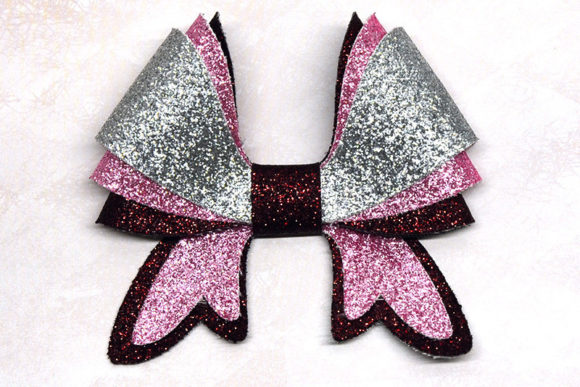
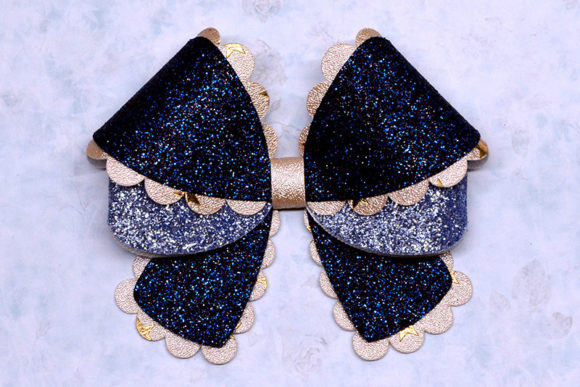
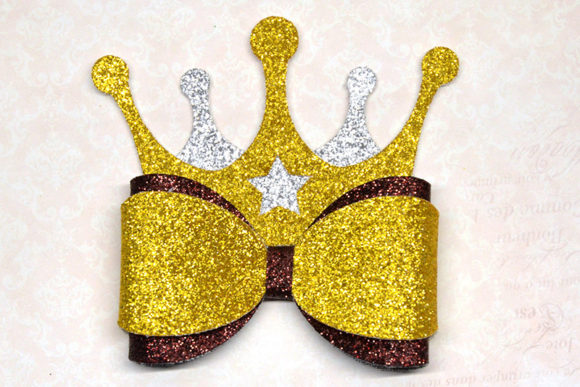
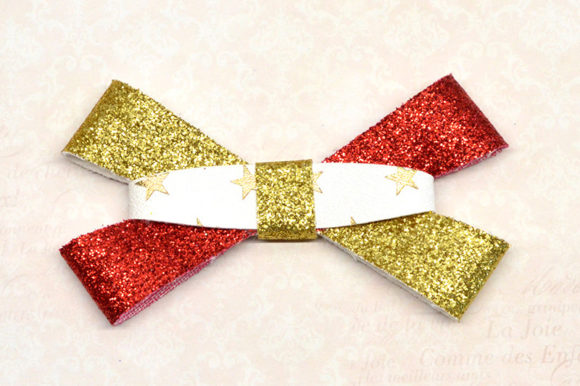
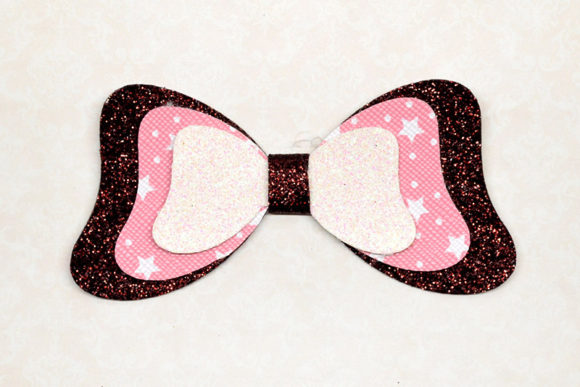
The first thing that strikes me about the Flat Bow Template is its deceptive simplicity. In the world of Christmas decor and holiday gifting, we often see overly complex designs that try to do too much. This template, however, relies on clean lines and balanced proportions. It creates a mood of understated elegance rather than chaotic festivity. For a 3D SVG asset that is primarily intended for cutting machines using materials like faux leather, glitter vinyl, or felt, the transition to embroidery requires a keen eye for detail.
When I loaded the file into my editing software, I was looking for logical stitch placement. A bow, by nature, has loops and tails that can easily become a tangled mess of threads if the digitizer does not account for pull compensation. The layout here feels intentional. The visual personality is versatile—it does not scream "holiday" so loudly that it cannot be used year-round, yet it fits seamlessly into a winter collection. This versatility is crucial for Etsy sellers and small shop product creators who need to maximize the utility of their design assets.
Real-World Application: The Custom Tote Bag Test
To truly understand the value of this design, I imagined a specific real-life scenario: preparing a custom embroidered tote bag for a boutique client. The client wanted a set of holiday gifts that felt handmade but professional. I visualized placing the Flat Bow Template on a heavy canvas tote. Here, the design’s structure matters immensely. If the bow is too dense, the canvas will distort. If it is too sparse, it will look cheap.
In this context, the template performs well as an applique design or a filled shape. Using a fill stitch for the body of the bow and a satin stitch for the edges can create a beautiful contrast in texture. The result is a finished product that feels substantial. Customers reacting to this would likely appreciate the tactile quality. It is not just a printed image; it is a textured element that invites touch. This kind of attention to detail builds customer trust and enhances the perceived value of the handmade product.
Versatility Across Product Lines
Beyond tote bags, I considered how this design would fare on other popular items. For sweatshirt embroidery, the softness of the fleece requires a different approach. A lighter stitch density is essential to prevent the garment from becoming stiff and uncomfortable. The Flat Bow Template adapts well here because its shapes are broad enough to allow for adjustable density without losing definition.
For baby embroidery projects, such as onesies or bibs, safety and comfort are paramount. The design must be smooth, with no loose threads or harsh backing exposed. When used on thin fabric, a proper stabilizer is non-negotiable. I would recommend a cut-away stabilizer for stretchy fabrics to ensure the bow retains its shape after washing. The template’s clean lines make it suitable for personalized gift items where a name might be added underneath or integrated into the ribbon tails.
Technical Considerations and Potential Pitfalls
While the design is strong, there are areas where caution is necessary. Any experienced embroidery designer knows that corners and tight curves are the enemies of clean stitching. When working with the Flat Bow Template, pay close attention to the inner corners of the bow loops. If the digitizing does not include proper underlay or tie-offs, these areas can unravel or bunch up. I always advise testing the design on scrap fabric first, ideally using the same material and thread colors intended for the final project.
Another critical factor is the hoop size. Ensure that the design fits comfortably within your hoop without being too close to the edge, which can cause hoop burn or misalignment. For curved surfaces like caps or hats, the design needs to be scaled appropriately. A large, flat bow might distort on the curved panel of a baseball cap. In such cases, reducing the size or adjusting the stitch angle can help maintain the integrity of the shape.
Dark fabrics present another challenge. If you are stitching a light-colored bow on a black sweatshirt, you must ensure that the underlying fabric does not peek through the stitches. This might require a higher density or a specific underlay strategy. Conversely, on textured fabrics like terry cloth towels, the stitches might sink in. Using a topping or a denser fill can help the design pop. Always check the design in black and white mockups to assess contrast and clarity before committing to thread.
Enhancing Brand Consistency and Value
For craft business owners, consistency is key to building a recognizable brand. The Flat Bow Template offers a consistent aesthetic that can be repeated across various products, from embroidered patches to kitchen towel accents. This repetition helps customers identify your work. When a buyer sees that same clean, professional bow on a pillow cover and a tote bag, it reinforces the professionalism of your commercial embroidery services.
Moreover, the design contributes to the giftability of the item. A well-executed bow adds a festive touch that makes the recipient feel special. It transforms a standard item into a cherished keepsake. For holiday embroidery collections, this kind of design is a staple. It is familiar enough to be comforting but distinct enough to stand out in a crowded market.
Practical Designer Notes for Best Results
Before you launch this design into your production line, consider these practical steps:
- Test on Scrap Fabric: Never skip this step. Check for puckering, thread breaks, and color accuracy.
- Check Thread Contrast: Ensure the thread color stands out against the fabric background. High contrast often reads better from a distance.
- Review Stitch Density: Adjust density based on fabric weight. Lighter fabrics need lighter stitches.
- Confirm Hoop Size: Make sure the design fits your available hoops without compromising placement.
- Inspect Small Details: Zoom in on the digital file to check for any erratic stitch paths or unnecessary jumps.
- Use Proper Stabilizer: Match the stabilizer to the fabric type. Cut-away for knits, tear-away for wovens.
- Verify Licensing: Confirm whether the digital embroidery file allows for commercial use if you plan to sell finished items.
In conclusion, the Flat Bow Template is a solid addition to any designer’s library. It balances aesthetic appeal with technical feasibility. While it requires careful handling regarding density and fabric choice, its versatility makes it a valuable tool for creating high-quality custom apparel and home decor. By approaching it with a critical eye and rigorous testing, you can ensure that your final products meet the high standards expected by today’s discerning customers.