Eden Rose Giant Paper Flower Templates: A Designer’s Review
As a designer who spends half my life staring at stitch simulations and the other half untangling thread jams, I approach every new asset with a healthy dose of skepticism. We are constantly bombarded with digital files that look stunning on a screen but fall apart under the needle. When I first encountered Eden Rose Giant Paper Flower Templates, my initial reaction was one of curiosity mixed with caution. The title suggests paper crafting, yet the context of our work often blurs the lines between digital cut files and embroidery motifs. Let’s dive into how this specific design asset translates from a 3D SVG concept into a tangible, stitched reality for your next project.
The First Impression: Mood and Visual Personality
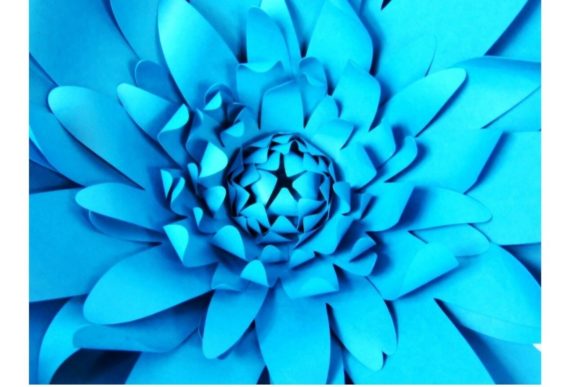
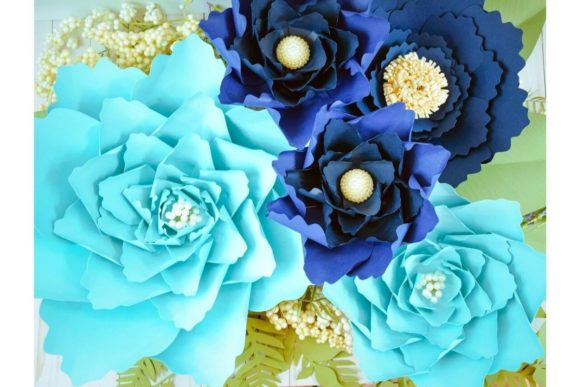
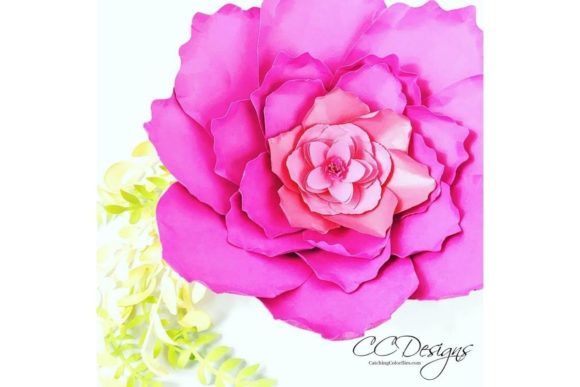
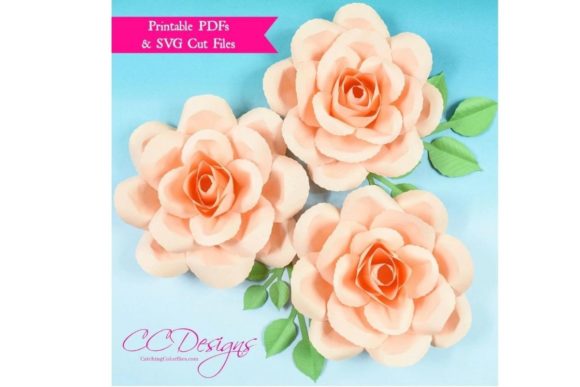
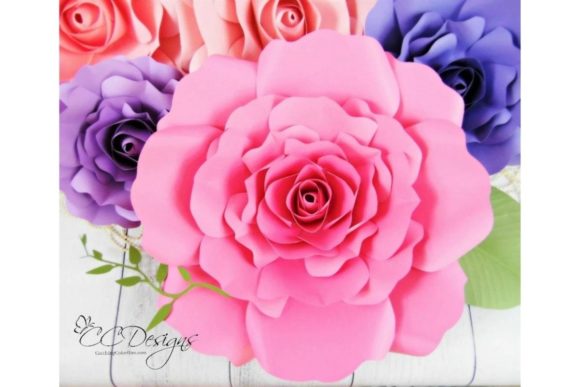
The Eden Rose template exudes a romantic, organic mood. It is not rigid or geometric; instead, it captures the lush, layered complexity of a blooming flower. For an embroidery designer, this visual personality is crucial. It suggests softness and elegance, making it an ideal candidate for projects that require a touch of sophistication. The layout, featuring the main rose, a large leaf, and circle templates, offers a modular approach. This modularity is a gift to the creative entrepreneur. It allows you to deconstruct the image, using just the leaf for a subtle accent or the full bloom for a statement piece.
When evaluating the detail level, I look for clarity. Does the design rely on tiny, indistinguishable details that will vanish into the fabric? The Eden Rose style appears to favor bold, sweeping shapes over microscopic intricacies. This is a positive trait for embroidery, where too much density can pucker fabric and too much detail can get lost in the thread texture. The visual weight of the rose suggests it would sit comfortably on medium-to-heavyweight fabrics without overwhelming the material.
Real-World Application: From Screen to Stitch
Let’s move beyond theory and discuss a real-life scenario. Imagine you are preparing a custom order for a boutique client who wants a line of embroidered tote bags for a spring launch. You need a design that reads well from a distance but holds up to close inspection. Here is where Eden Rose Giant Paper Flower Templates becomes interesting. While the product description highlights its use for hand-cutting or cutting machines, the structural logic of the template provides an excellent roadmap for digitizing or adapting into an applique design.
If you were to translate this template into a machine embroidery design, the layered petals offer a perfect opportunity to utilize satin stitch borders with fill stitch interiors. The large leaf template could serve as a base for a contrasting running stitch vein pattern, adding texture without excessive bulk. For a sweatshirt embroidery project, this design would shine. The soft curves of the rose complement the cozy nature of fleece or cotton blends. Customers reacting to such a piece would likely perceive it as high-end and thoughtful, increasing the perceived value of your handmade product.
Consider also its potential for baby embroidery. The gentle, rounded forms of the Eden Rose are safe and appealing for nursery decor or personalized baby blankets. However, you must adjust the scale. A giant paper flower template might need to be resized significantly to fit a onesie or a small bib. Always test the proportions on scrap fabric before committing to the final garment.
Navigating Fabric and Hoop Constraints
No design is universal, and honest review requires discussing limitations. Where should you use Eden Rose Giant Paper Flower Templates with care? First, consider hoop size. If you are working with a standard 4x4 inch hoop, the "giant" aspect of the template may require splitting the design or reducing it so much that detail is lost. For best results, this design likely demands a 5x7 or larger hoop to maintain its grandeur.
Fabric texture plays a pivotal role. On highly textured fabrics like terry cloth or heavy linen, fine details can disappear. The Eden Rose, with its broad petal structures, is more forgiving than intricate lace patterns, but you must still consider stitch density. If you are digitizing this from the SVG or using it as a guide for applique, ensure your density settings account for the fabric’s give. On stretchy fabrics, such as those used for custom apparel like t-shirts, a proper stabilizer is non-negotiable. Without it, the weight of the stitching could distort the garment, ruining the clean lines of the rose.
Dark fabrics present another challenge. If you are stitching a light-colored rose on a black hoodie, you must pay attention to thread colors and underlay stitches. A poor underlay can cause the top threads to sink, making the design look flat. Test your embroidery file on both light and dark backgrounds to ensure contrast and visibility.
Commercial Viability and Brand Consistency
For Etsy sellers and small shop product creators, consistency is key. Using a cohesive design language helps build brand recognition. The Eden Rose aesthetic fits well within the "cottagecore," botanical, or romantic niches. If your brand leans towards modern minimalism, this design might feel too ornate. However, for businesses focusing on wedding gifts, holiday decorations, or boutique branding, this template offers strong commercial potential.
When creating printable mockup assets or digital previews for your store, the clarity of the design matters. A well-executed embroidery of this rose can serve as a powerful marketing tool. It demonstrates technical skill and artistic taste. Buyers engage more with products that look professional and polished. By ensuring your finished product has clean trim backs and neat tension, you reinforce customer trust.
Practical Notes for the Embroidery Designer
Before you load this into your machine or cut it for applique, here are my practical recommendations:
- Test on Scrap Fabric: Never skip this step. Check how the fabric reacts to the stitch type and density.
- Check Thread Contrast: Ensure your thread colors pop against the fabric. Use a color wheel to find complementary or analogous shades that enhance the 3D effect.
- Review Stitch Density: If digitizing, keep density moderate to prevent puckering, especially on lighter fabrics.
- Confirm Hoop Size: Measure the design dimensions against your available hoops. Do not force a large design into a small hoop.
- Inspect Small Details: Zoom in on the digital file. Are there nodes or points that might cause thread breaks? Smooth out any jagged edges.
- Use Proper Stabilizer: Match the stabilizer to the fabric. Cut-away for knits, tear-away for wovens.
- Verify Licensing: The product description mentions "Instant Download" and templates for cutting. It does not explicitly state commercial embroidery rights. Always confirm the license terms before selling finished items or using the design in commercial projects.
In conclusion, Eden Rose Giant Paper Flower Templates offers a versatile and visually appealing foundation for various creative projects. Whether you are creating an embroidered patch, a tote bag design, or a personalized gift, understanding the interplay between the template’s structure and embroidery techniques is essential. By approaching this design with a critical eye and practical testing, you can transform a simple digital file into a standout piece of art that resonates with customers and elevates your craft business.