Deer Bookmark: A Designer’s Practical Review
As an embroidery designer who has spent years digitizing patterns and testing them on everything from crisp cotton to stretchy fleece, I approach every new machine embroidery design with a critical eye. It is not enough for a file to look good on a screen; it must perform under the needle. Recently, I evaluated the Deer Bookmark, a charming addition to the Animals category, to determine its viability for real-world projects. This review breaks down how this 3D SVG asset translates into thread, where it shines, and what considerations crafters should keep in mind before stitching.
First Impressions and Visual Personality
The first thing that strikes me about the Deer Bookmark is its simplicity. In a market saturated with overly complex, high-density designs, there is a refreshing clarity here. The silhouette is clean, relying on strong lines rather than excessive detail. This minimalism is a strength, not a weakness. It creates a mood of quiet elegance and rustic charm, making it suitable for a wide demographic, from nursery decor to adult literary enthusiasts.
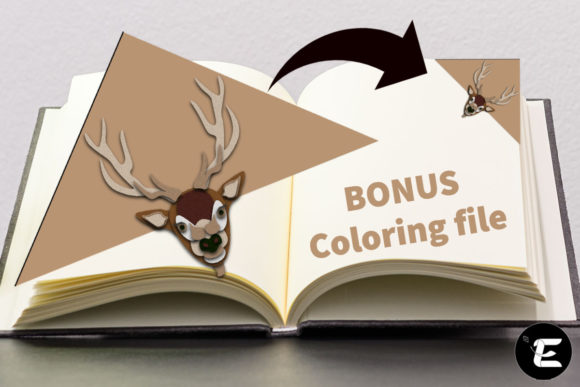
Because the file is provided as a resizable vector format, including .SVG, .PNG, .Pdf, and .Eps, the potential for adaptation is significant. However, as a reviewer, I must emphasize that "resizable without loss of quality" refers to the visual graphic, not necessarily the stitch data if you are converting it yourself. For those using it strictly as a digital reference or for print-on-demand mockups, the scalability is a major asset. For machine embroiderers, this means you have the flexibility to adjust the scale to fit various hoop sizes, provided you maintain proper proportion to prevent distortion.
Real-World Application: The Custom Tote Scenario
To truly test the utility of the Deer Bookmark, I imagined a common scenario for many Etsy sellers and craft business owners: creating a custom embroidered tote bag. Tote bags are staple items for book lovers, making this design a natural fit. When placed on a canvas tote, the deer motif acts as a subtle branding element or a personalized touch.
In this context, the design performs exceptionally well. The open spaces within the deer’s form allow the fabric texture to show through, preventing the dreaded "cardboard effect" where heavy stitching makes fabric stiff. If you are using a satin stitch border with a light fill stitch interior, the result is soft and flexible. This is crucial for a functional item like a bookmark-themed bag that needs to drape naturally. For a small shop product, this versatility means you can offer it on various materials without worrying about the design overpowering the garment.
Versatility Across Product Lines
Beyond tote bags, the Deer Bookmark holds up well in other applications. Consider sweatshirt embroidery. On a heather grey crewneck, the deer serves as a cozy, autumnal accent. Because the design is not overly dense, it sits comfortably on thicker fabrics without causing puckering, assuming you use the correct stabilizer. It also works beautifully for baby embroidery projects, such as bibs or burp cloths, where softness against the skin is paramount. The gentle curves of the animal theme are appealing to children and parents alike, making it a safe choice for personalized gift items.
For those selling digital embroidery files or design assets, this pattern offers a quick turnaround project. It is ideal for customers who are beginners or those looking for fast production times. The simplicity allows for creative experimentation with thread colors. You might choose traditional browns and tans for a realistic look, or venture into whimsical pastels for a spring collection. This adaptability increases its value as a commercial asset.
Technical Considerations and Fabric Choices
While the design is user-friendly, there are technical nuances to address. The success of any embroidery project depends heavily on the interaction between the needle, thread, and fabric. With the Deer Bookmark, pay close attention to fabric texture. On highly textured fabrics like terry cloth or thick wool, fine details may get lost. In such cases, increasing the size of the design slightly can help maintain clarity.
When working with dark fabrics, contrast becomes key. If you are stitching a light-colored deer on navy blue denim, ensure your running stitch underlay is sufficient to prevent the background fabric from peeking through the top stitches. Conversely, on thin or stretchy fabrics, such as jersey knits used in custom apparel, a cut-away stabilizer is non-negotiable. The tension from the stitching can cause lightweight fabrics to gather if not properly supported.
Another area for caution is curved surfaces, such as caps. While the deer shape is relatively compact, placing it on the front panel of a hat requires precise hooping. The design should be centered carefully to avoid distortion near the seams. For embroidered patch creation, this design is excellent because its defined edges make it easy to cut and finish, whether you are using a merrowed edge or a simple satin border.
Enhancing Brand Value and Customer Trust
From a business perspective, the quality of your finished product directly impacts customer trust. A clean, well-executed Deer Bookmark signals professionalism. It shows that you understand balance and restraint in design. For holiday embroidery collections, such as Christmas gifts or winter-themed bundles, this motif fits seamlessly into a cohesive brand aesthetic. It avoids the clutter that often plagues seasonal designs, offering a modern, minimalist alternative.
Using this design in printable mockup previews can also boost engagement. Since the file includes high-quality vector formats, you can create crisp digital representations for your online store. This helps customers visualize the final item, reducing hesitation and potentially increasing conversion rates for your small shop product listings.
Practical Notes for the Embroiderer
Before committing to a full production run, always test the design on scrap fabric identical to your final material. Check the stitch density settings if you are editing the file. Even though it is described as easy to make, verifying the tension and thread path ensures a smooth process. Inspect small details, such as the tips of the antlers or the legs, to ensure they do not unravel during washing.
It is also wise to test the design in black and white mockups to evaluate contrast and shape recognition. If the silhouette holds up without color, it will look striking in any palette. Finally, always confirm licensing terms. While the file is presented as versatile, ensuring you have the right to use it for commercial embroidery or resale is a critical step for any professional designer or maker.
In conclusion, the Deer Bookmark is a solid, reliable addition to any designer’s library. It balances aesthetic appeal with practical manufacturability, making it a smart choice for both hobbyists and commercial producers. By respecting the technical requirements of fabric and stabilization, you can transform this simple digital file into a high-value handmade product that resonates with customers.